
The November 2026 Build-to-Order exercise closed with 37,413 applications for 7,964 flats, or approximately 4.7 applications per flat. Yet the most revealing number was the gap between two projects: first-timer families applying for four-room flats faced an application rate of 7.0 at Toa Payoh Hillside, compared with 0.7 at Sembawang Anchor.
That tenfold difference shows how uneven competition remained within the same launch. A higher income ceiling widened access to subsidised housing, but applicants still made sharply different choices about where they wanted to live.
These are final application figures as at 11.59 pm on 11 November—not ballot results or completed flat bookings.
Stronger demand, but no single experience for applicants
The final figures showed a clear increase in competition. The median application rate among first-timer families seeking three-room or larger flats reached 2.7, compared with 1.4 in June and 0.9 in February. For first-timer singles applying for two-room Flexi flats, the corresponding November median was 8.8.
However, the overall figure of 4.7 applications per flat combines different locations, flat types and applicant groups. It is useful as a measure of demand across the exercise, but it does not describe the competition each household faced.
| Project or category | Final applications or application rate |
|---|---|
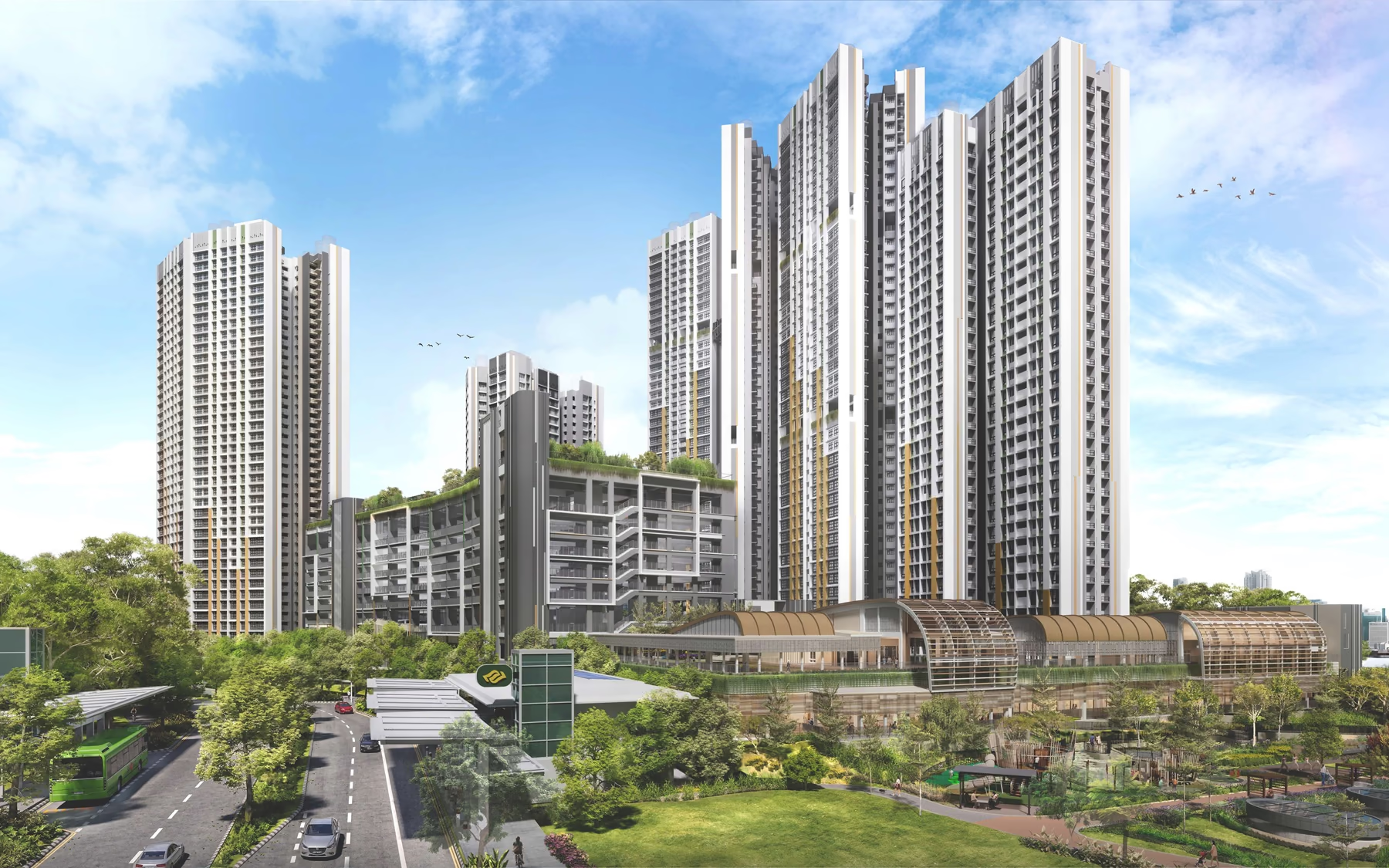
| Toa Payoh Hillside, all flat types including Community Care Apartments | 10,344 applications for 1,432 flats; approximately 7.2 per flat |
| Toa Payoh Hillside four-room, first-timer families | 7.0 |
| Bayshore Sails and Bayshore Oasis combined | 10,769 applications for 2,492 flats; approximately 4.3 per flat |
| Plantation Dew four-room, first-timer families | 5.5 |
| Sembawang Anchor four-room, first-timer families | 0.7 |
| Sembawang Anchor five-room, first-timer families | 0.4 |
| Toa Payoh Hillside Community Care Apartments | 525 applications for 256 flats; approximately 2.1 per flat |
Source: HDB’s final application data. Overall ratios and applicant-group application rates use different denominators and should not be treated as interchangeable.
Toa Payoh versus Sembawang: the clearest contrast
The four-room comparison provides a useful benchmark because it holds the flat type and applicant category constant across the entire exercise.
At Toa Payoh Hillside, first-timer family demand was substantially above the supply allocated to that group. At Sembawang Anchor, the equivalent rate remained below one.
Sembawang also offered a practical advantage: a waiting time of less than three years, according to HDB’s project introduction. Toa Payoh Hillside, meanwhile, offered access to Caldecott MRT station and the amenities of an established town.
For households already renting, living with parents or planning around a child’s arrival, an earlier completion date can matter considerably. Nevertheless, the application rates suggest that a shorter wait was insufficient to draw comparable competition to Sembawang.
This does not isolate location as the sole cause. Prices, available supply, family ties and individual commuting needs also influence applications. But it shows that more attractive delivery timelines do not automatically spread demand evenly across projects.
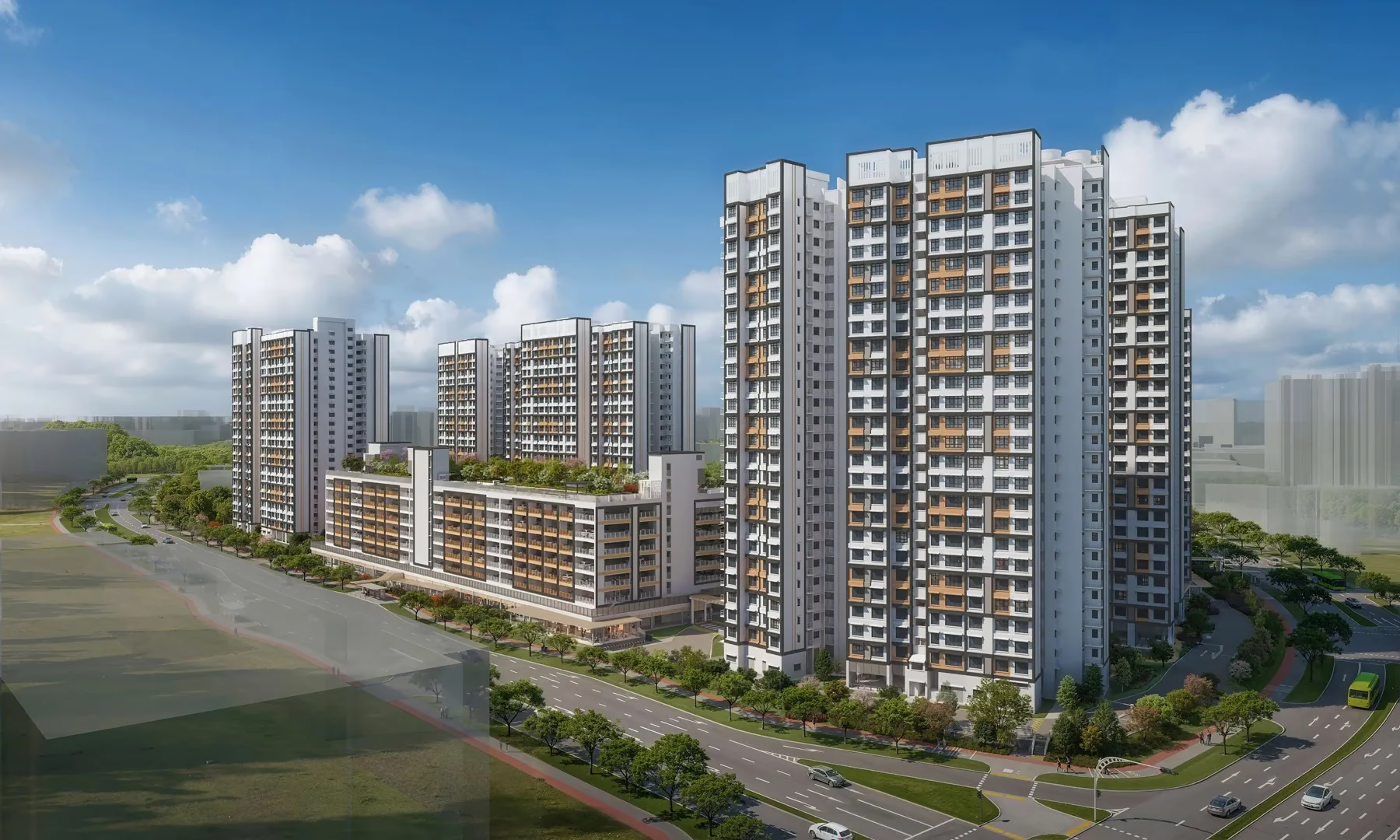
There is also an important distinction behind the description “undersubscribed”. Sembawang Anchor’s four-room flats received 489 applications for 464 units overall, even though its first-timer family rate was 0.7. Lower competition within one applicant group does not necessarily mean fewer total applications than flats.
The higher income ceiling widened eligibility—not necessarily choice
November was the first BTO exercise after the monthly income ceilings increased from S$14,000 to S$16,000 for families and from S$7,000 to S$8,000 for singles. The revised ceilings apply to HFE letter applications submitted from 24 August 2026.
The change gave some households access to BTO flats that they previously could not buy. It is therefore reasonable to expect an enlarged pool of potential applicants.
The results cannot establish how much of November’s increase came from newly eligible households—or where they applied.
One possibility is that the wider ceiling intensified competition for popular locations. A household newly eligible for a BTO flat may still prioritise a central address, established amenities or proximity to parents.
Another possibility is that the project line-up itself attracted more applications from households already eligible under the previous ceilings.
To distinguish between these explanations, we would need application data broken down by household income and project, alongside comparisons across subsequent launches. The timing of a policy change and a rise in applications does not, by itself, establish causation.
Bayshore attracted substantial demand too
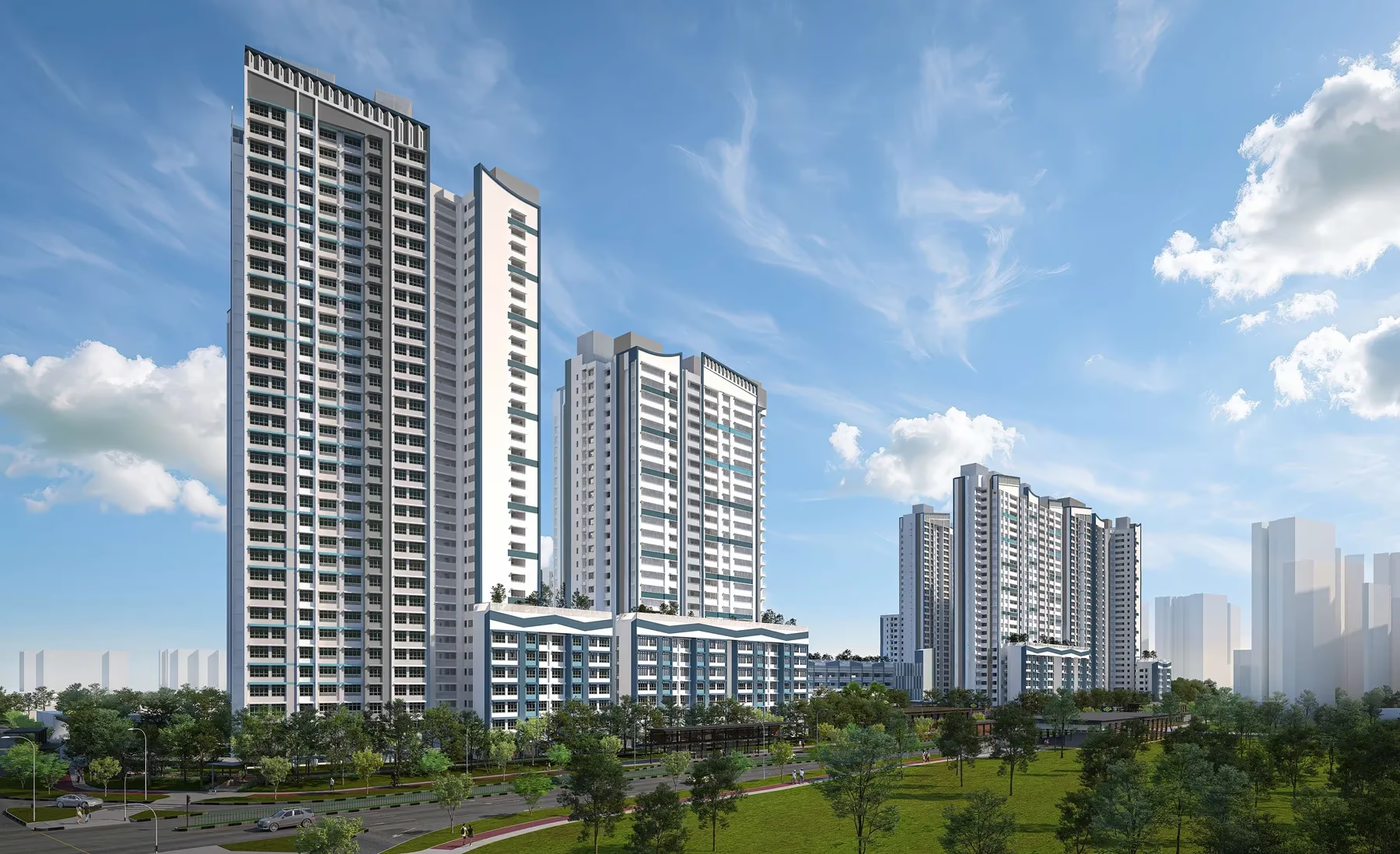
Bayshore Sails and Bayshore Oasis together attracted 10,769 applications for 2,492 flats.
The two Plus projects offered a different proposition from Toa Payoh: homes in a developing coastal estate, with access to East Coast Park and rail connectivity through Bayshore MRT and the future Bedok South station.
Their appeal illustrates why “location” encompasses more than distance from the city centre. Buyers may also value recreation, transport connections and the prospect of living in a new neighbourhood.
However, applications reflect willingness to enter the ballot. They do not show how applicants will respond to their eventual queue positions or the specific units remaining when selection begins.
Tengah complicates a simple central-versus-suburban story
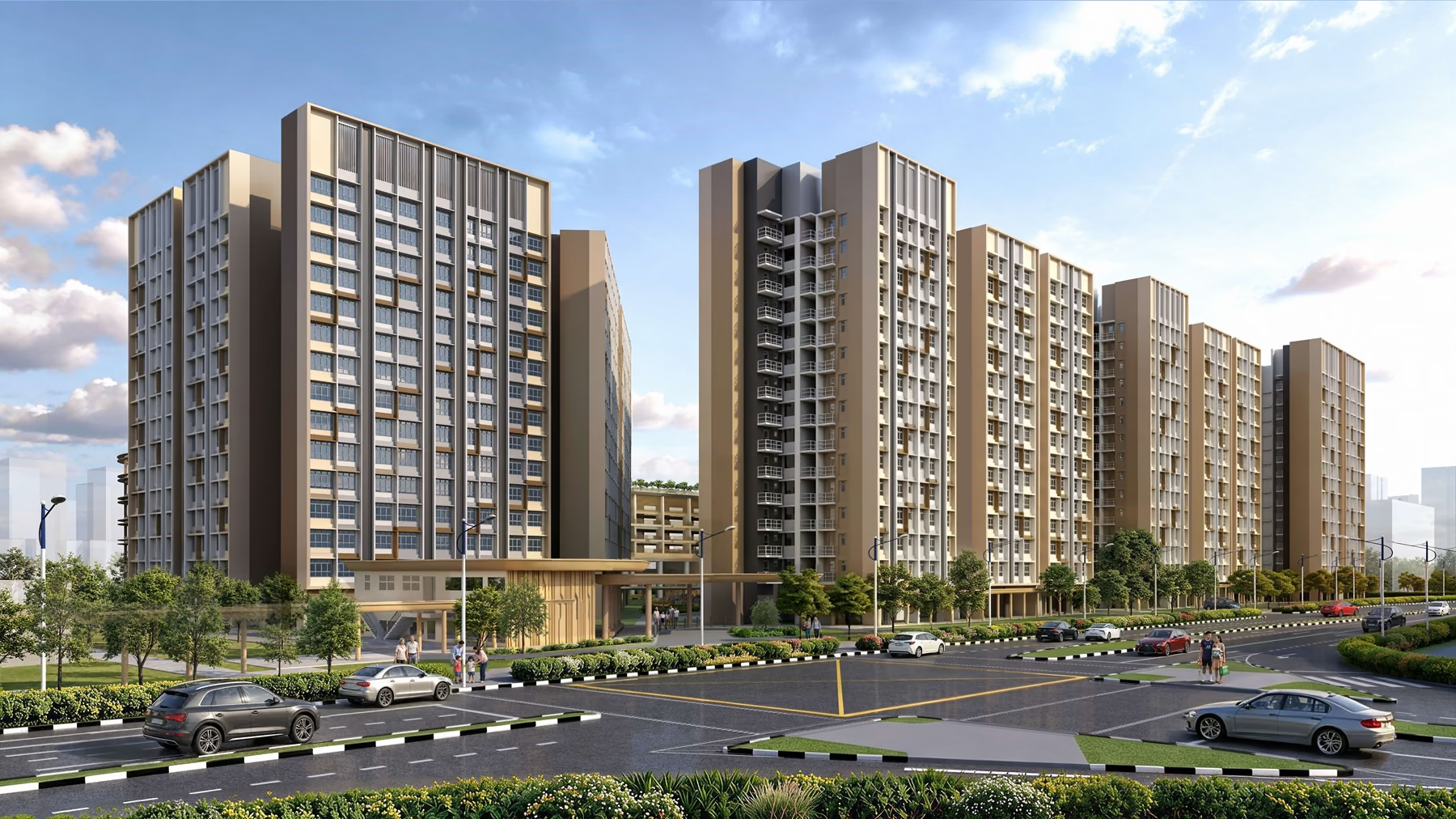
Plantation Dew’s first-timer family application rate of 5.5 for four-room flats is an important counterpoint to the Toa Payoh–Sembawang comparison.
Strong competition was not confined to the most central project. Tengah also attracted substantial interest, showing why it would be too simplistic to describe November as a uniform preference for mature estates.
Supply matters as well. Plantation Dew offered just 168 four-room flats, compared with 584 at Toa Payoh Hillside and 464 at Sembawang Anchor. Application rates measure demand relative to available supply; a high rate does not necessarily mean the largest absolute number of applicants.
The broader lesson is that each project competes through its own combination of price, flat mix, amenities, transport and supply.
An 11% subsidy recovery did not prevent strong interest
Toa Payoh Hillside carried an 11% subsidy-recovery rate, the highest among November’s Plus and Prime projects. Bayshore Sails and Bayshore Oasis carried 9%, while Merpati Meadow carried 8%.
The heavy application volume at Toa Payoh shows that this condition did not prevent substantial interest.
It does not, however, establish that applicants expected future resale gains to outweigh the recovery amount. Some may have prioritised daily convenience, nearby family or the intention to live there for many years.
Nor can we conclude that the recovery rate had no effect. Demand might have been even higher under different conditions.
What November tells us about housing demand
November’s results reveal two separate challenges.
The first is access: widening eligibility allows more households to consider subsidised housing.
The second is distribution: those households do not necessarily want the same locations in equal proportions.
For buyers, the useful comparison is therefore the application rate for their own applicant group and preferred flat type, considered alongside the suitability of the home. The overall application rate masks substantial differences in demand between projects and flat types.
For housing policy, subsequent launches will help show whether the increased income ceiling produces a sustained rise in applications and whether that demand spreads more broadly.
For now, the strongest finding is the variation within November itself. A wider income ceiling opened the door to more households, while the characteristics of individual projects continued to shape where competition concentrated.
Article contributed by Jerry Wong.

Jerry Wong is a realtor at Propnex Realty, bringing a rich background in interior and lighting design to his work. He loves exploring diverse spaces and observing the transformative power of real estate. Beyond his professional role, Jerry finds his greatest fulfillment in connecting people with the right properties, gaining immense satisfaction from helping clients achieve their dreams.
Let’s Discuss Your Property Plans
Interested in This Property?
Buying, selling or renting? Get a free consultation with realtors with a background in interior and lighting design. We’ll discuss your goals and help you assess your options—from pricing and timelines to layout practicality and space potential.
Share your contact details below, and we will get in touch to understand your needs and suggest the next steps. No pressure. No obligation to proceed.