

SLA says tenants will be engaged in the event of development plans for Jalan Hang Jebat homes
Another slice of old Singapore could disappear with the colonial-era terraced houses in Jalan Hang Jebat near Portsdown Avenue possibly being replaced by new homes.
Residents on tenancy agreements with the Singapore Land Authority (SLA), as well as some heritage experts, are concerned over the potential loss of the site’s natural and man-made heritage elements. They are urging the authorities to conduct impact assessment studies.
Residents told The Straits Times that a number of leases across some of Jalan Hang Jebat’s 40 households expire next year and in 2022.
Tenant Brian Amerasinghe, 56, a retired pilot, said: “Why build over a heritage site? We should be retaining a diversity of landscapes in Singapore. This is a lovely place. It is very windy and peaceful. You feel like you’re in a rural part of the island.”
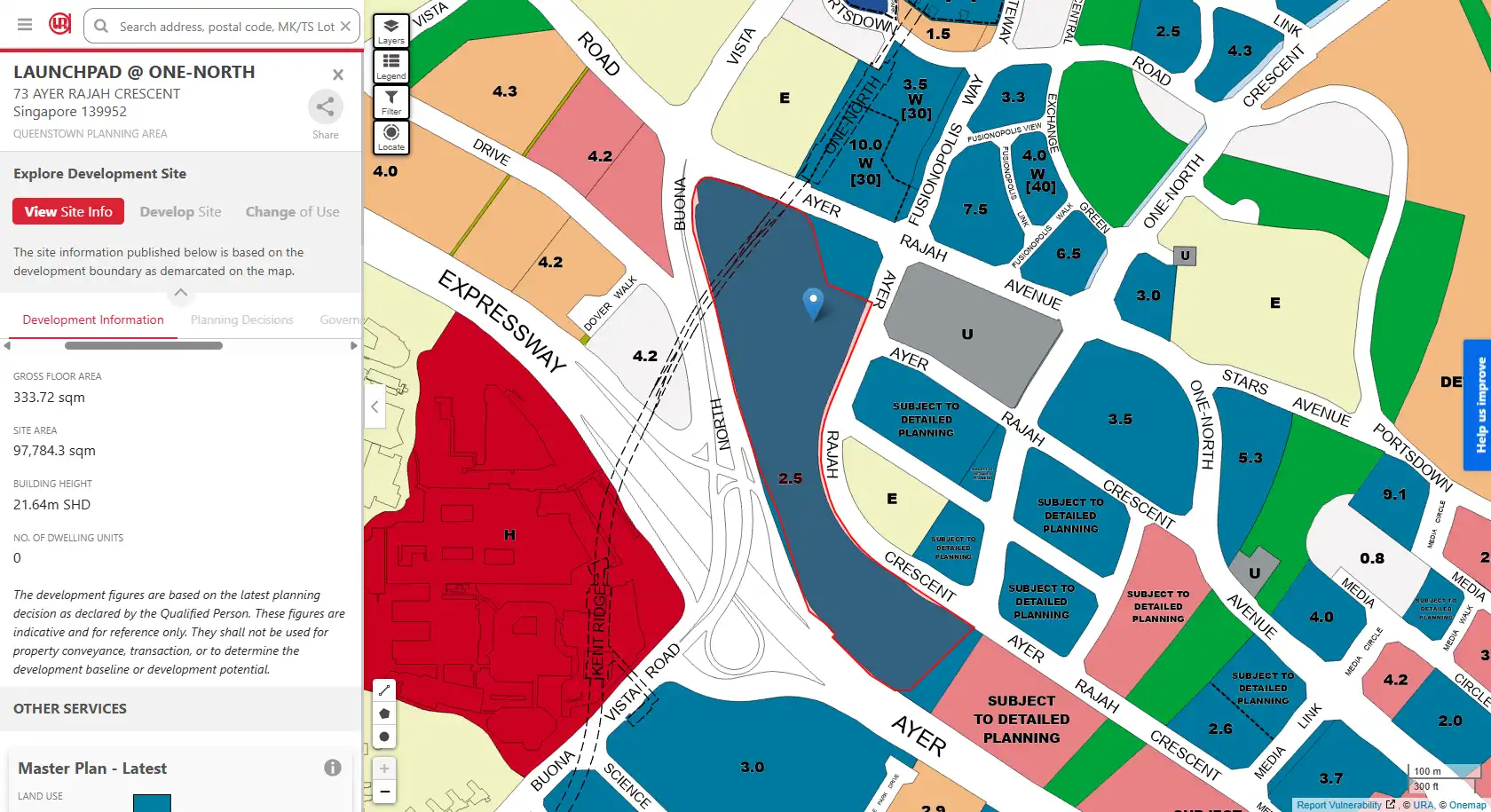
The Urban Redevelopment Authority’s 2019 masterplan indicates that Jalan Hang Jebat is currently zoned for residential use and is up for detailed planning.
The Straits Times reported last year that more than 5,000 new homes could be launched in Queenstown by 2027. The area around Jalan Hang Jebat is likely to be the site of these developments.
Some colonial-era buildings in Warwick Road, which is near Jalan Hang Jebat, could also be replaced.
In response to queries, an SLA spokesman said the state properties in Jalan Hang Jebat and Warwick Road will continue to be tenanted for residential use for the immediate future.
The spokesman added: “In the event of future development plans, we will certainly be engaging our tenants and providing sufficient time for them to plan for alternative accommodation.”
Heritage experts believe Jalan Hang Jebat’s colonial terraced houses are special and worth retaining. They were built before World War II to house junior officers from the British Armed Forces stationed in Alexandra and Pasir Panjang.
The houses feature high, pitched roofs and verandas that keep the tropical heat at bay. The buildings are not gazetted for conservation.
A tenant of 22 years, a librarian who only wanted to be known as Winnifred, pointed out that the site was named after a legendary warrior in Malay folklore. She said: “Jalan Hang Jebat is unique as it is the only street in the area named after a Malay hero as opposed to someone from the British empire.”
Malay Regiment soldiers, as well as kampung residents, used to live in the vicinity. In 1952, a surau, or Muslim prayer hall, was built to serve the needs of Muslim residents. It expanded and evolved into Masjid Hang Jebat, which stands at the end of the row of houses. A mosque official, Mr Muhassan Ariffin, 33, said the place of worship is on a temporary occupation licence.
The Jalan Hang Jebat area is also home to a pond where staff from Alexandra Hospital hid during the Sepoy Mutiny in 1915.
Heritage blogger Jerome Lim said: “One of the key features of Jalan Hang Jebat is its space and lush green settings typical of colonial estates that were possibly inspired by the English Landscape Movement.
“We cannot afford to keep losing places with charm and character to the uniform concrete clutter now seen across much of Singapore.”
ERA Realty head of research Nicholas Mak also believes the buildings are worth preserving. He said they could be repurposed into food and beverage outlets or childcare centres, or for other community uses.
Mr Mak added: “The redevelopment of the area will very likely change the character of the area. Roads will also likely be widened. Perhaps urban planners and designers can create a rustic park and maintain some of the site’s original low-rise atmosphere.”
“Source:[Concern over future of colonial-era terraced houses] © Singapore Press Holdings Limited. Permission required for reproduction”

Let’s Discuss Your Property Plans
Interested in This Property?
Buying, selling or renting? Get a free consultation with realtors with a background in interior and lighting design. We’ll discuss your goals and help you assess your options—from pricing and timelines to layout practicality and space potential.
Share your contact details below, and we will get in touch to understand your needs and suggest the next steps. No pressure. No obligation to proceed.