
SINGAPORE – Recent incidents involving conserved properties in Singapore have shown that the country has some way to go to ensure that its heritage buildings are adequately protected.
Two incidents that made headlines in recent weeks underscore this point.
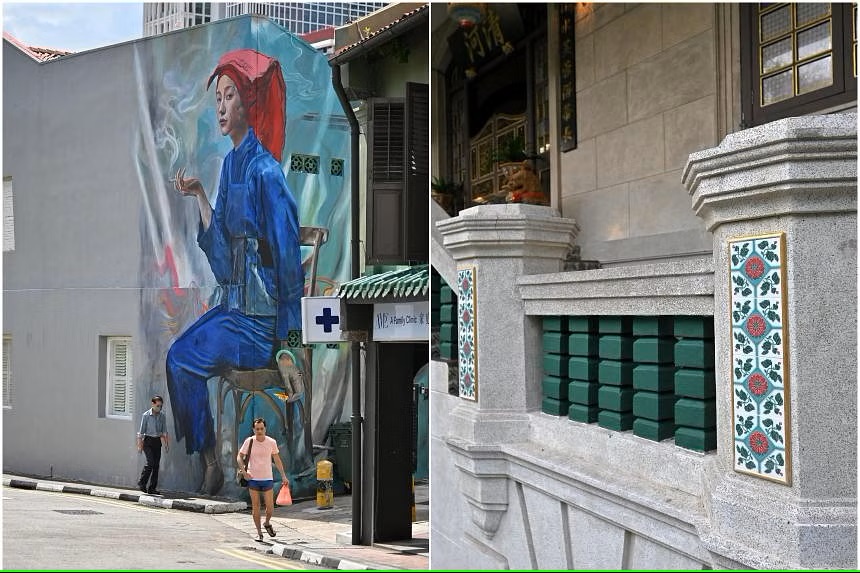
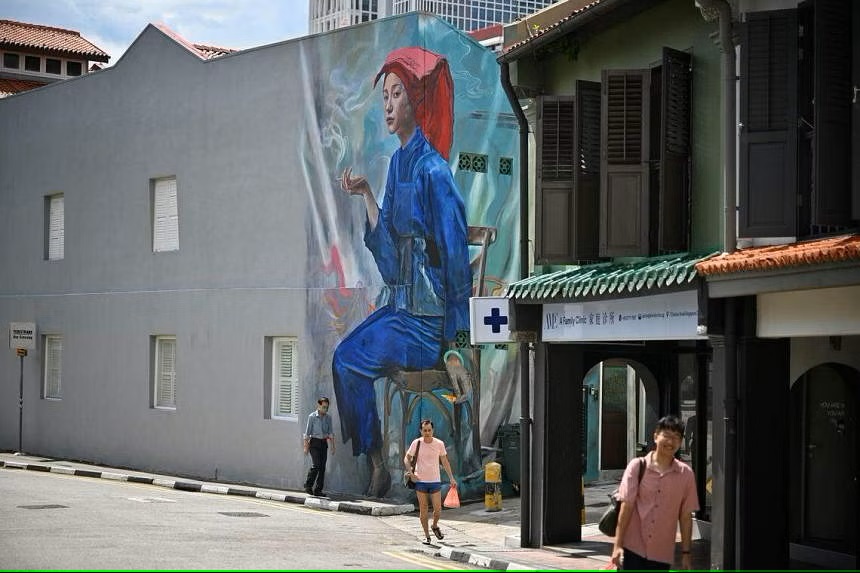
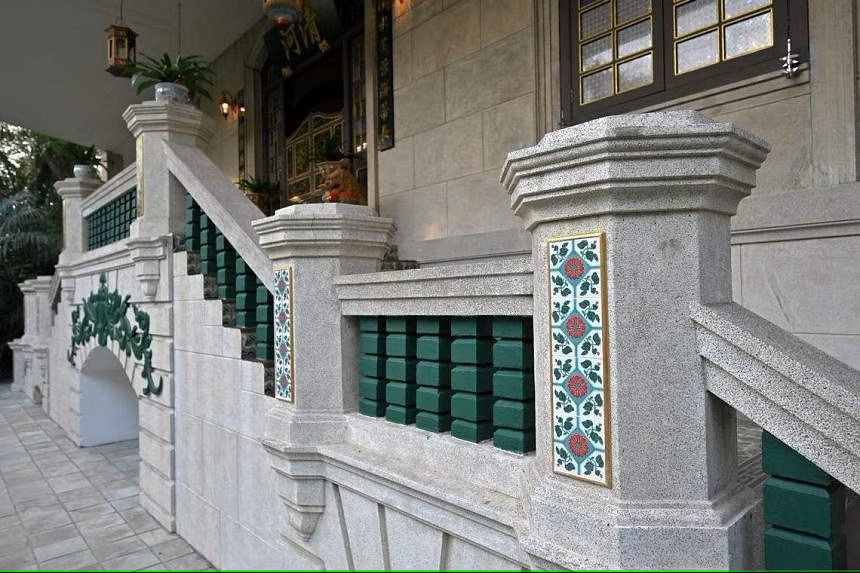
In July, The Straits Times reported that a colonial-era bungalow on Keppel Hill was redecorated for use as a film set. This was just weeks after a mural of a samsui woman was painted on a South Bridge Road shophouse. In both cases, work was done without prior permission from the Urban Redevelopment Authority (URA), which oversees building conservation in Singapore.
Since 1989, Singapore’s heritage conservation programme has gazetted 7,200 buildings and structures for conservation – no easy feat in the land-scarce city-state. But these efforts to protect its heritage will be for naught if building owners, occupants and contractors go about works as they wish, without regard for conservation guidelines.
The fact that potentially damaging works can be carried out on properties that are legally protected raises the question: What is the point of conserving buildings if we cannot properly protect them?
The current conservation regime places the onus of protecting buildings largely on building owners, occupiers and contractors. They must seek permission from URA before they can carry out works on a conserved building, such as additions or alterations, modification of the building’s facade or selected interior works.
Depending on the scale of the project, owners or contractors can either make submissions to URA themselves, or be required to appoint a registered architect or professional engineer to do so.
Works have to be done in accordance with URA’s conservation guidelines, which detail what can or cannot be done with conserved properties, such as architectural features that need to be kept. But the recent cases of the samsui woman mural and the Keppel Hill bungalow show that current guidelines and processes do not stop works from proceeding without permits.
They are also not isolated incidents. Mr Eugene Lin, the principal consultant at Fivefootway Consultants, a firm that specialises in works on conserved properties, said building modifications that flout conservation guidelines are rampant in areas such as Little India, Jalan Besar and Geylang.
These include unauthorised rear extensions, encroachments into back lanes, demolishing and rebuilding of staircases, demolition of original residential fronts, and replacement of windows, he said.
Conservators say that when it comes to conserved buildings, inappropriate works can cause lasting and irreversible harm and the loss of valuable historical data.
One possible solution to improve compliance may be for URA to actively enforce conservation guidelines through a regular inspection regime.
That said, doing this for more than 7,200 properties could be impractical and onerous.
While URA does carry out proactive inspections on selected buildings, the number of buildings covered in its inspections, as well as the frequency of checks, are not publicly known.
Conservators say Singapore needs to find a way to educate the public about heritage properties and get building owners to take their responsibilities seriously.
Mr Ho Weng Hin, co-founder of architectural conservation consultancy Studio Lapis, suggested that the community could get involved in reporting on damage to and illegal works on conserved properties, akin to a neighbourhood watch system.
The problem is that most people may not know how to identify conserved properties.
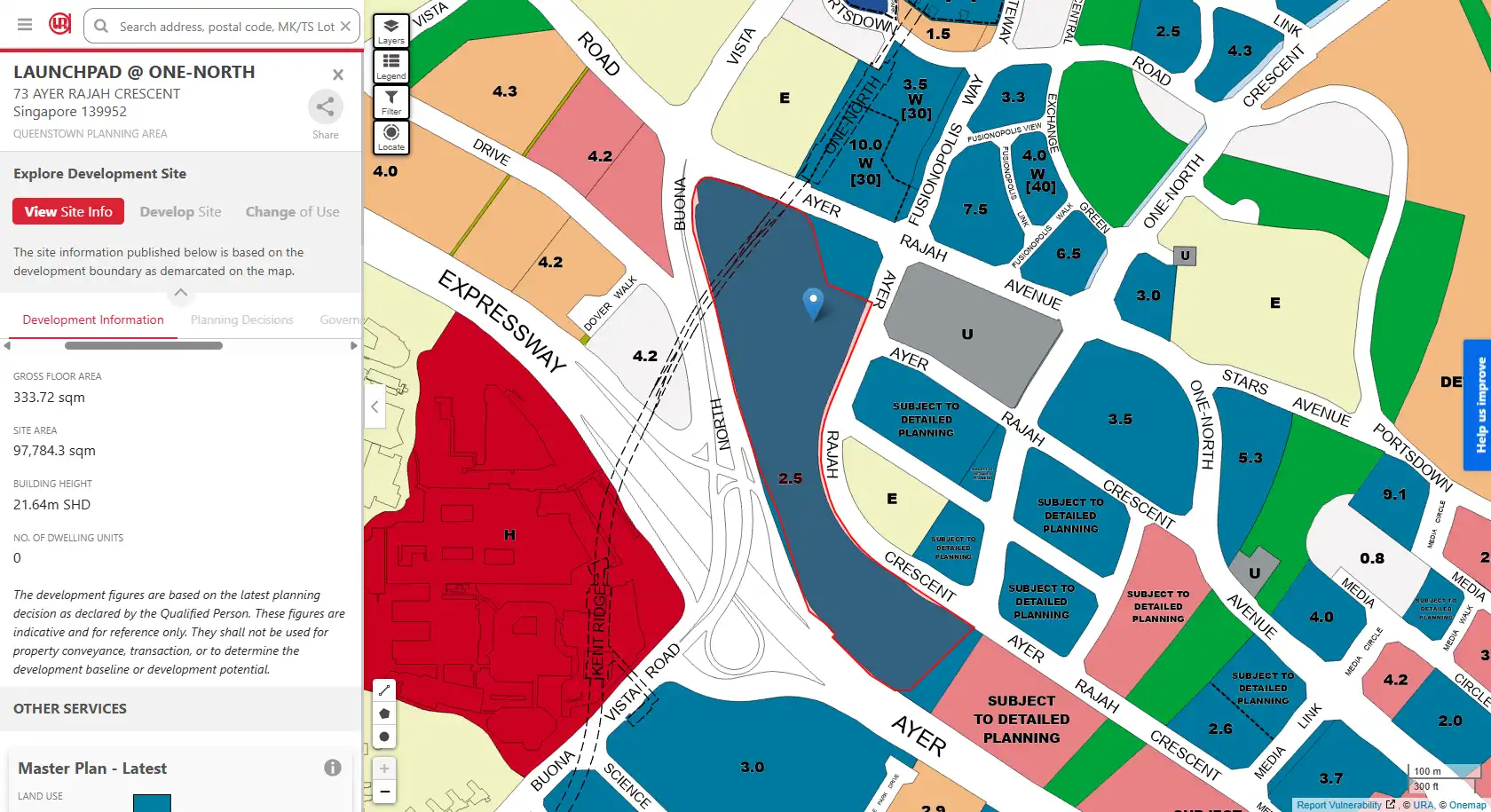
This could be because the database of conserved buildings – accessible through a digital map called URA Space – is not user-friendly, as Singapore University of Technology and Design architectural conservation academic Yeo Kang Shua pointed out.
He suggested developing an easy-to-navigate website that details information on Singapore’s conserved properties, and what can or cannot be done to them, so that people can identify buildings with conservation status and report faults.
Perhaps buildings that are conserved could also be marked out with a small plaque with information on their significance, similar to what Singapore does with its national monuments.
Greater public education would be a good first step, but building owners must also proactively step up and recognise the intangible value of their heritage properties.
There are building owners here who have done this. The Sino Group, which owns The Fullerton Heritage precinct, including The Fullerton Hotel, Clifford Pier and Customs House, has been lauded by the URA for preserving and promoting the heritage of these iconic buildings in Marina Bay.
As Mr Ho put it, heritage conservation is about custodianship, with building owners preserving these pieces of history for the next generation.
“Source:[Public, building owners must step up to protect Singapore’s heritage] © Singapore Press Holdings Limited. Permission required for reproduction”

Let’s Discuss Your Property Plans
Interested in This Property?
Buying, selling or renting? Get a free consultation with realtors with a background in interior and lighting design. We’ll discuss your goals and help you assess your options—from pricing and timelines to layout practicality and space potential.
Share your contact details below, and we will get in touch to understand your needs and suggest the next steps. No pressure. No obligation to proceed.