
To the average Singaporean, the blueprints in the Draft Master Plan that city planners unveil every five years may be hard to grasp because the ideas will become reality too far into the future.
After all, the plan contains ideas that might unfold over the next 10 to 15 years, when jobs would have unforeseen demands and technological advancements are going to create unpredictable disruptions.
Still, their views matter – even more, I believe – in shaping Singapore because as lives change, the universal desire to feel at home remains unchanged.
What is a home if Singaporeans play no part in building it?
It is perhaps the main rationale for the Urban Redevelopment Authority (URA) to call for public feedback on its draft masterplans. But this year, it will go a step further and hold more competitions to generate ideas on ways to transform specific districts, such as the Pasir Panjang Power District in the south and Paya Lebar Air Base in the north-east.
Such conversations are critical to ensure longevity in city planning as views across a spectrum are considered, not just those of the elite urban planners.
The emphasis on future-proofing becomes even clearer when the other facets of the masterplan are taken into account.
One of them is the URA’s intention to add buzz to the Central Business District that tends to go dark and deadly quiet after office hours.
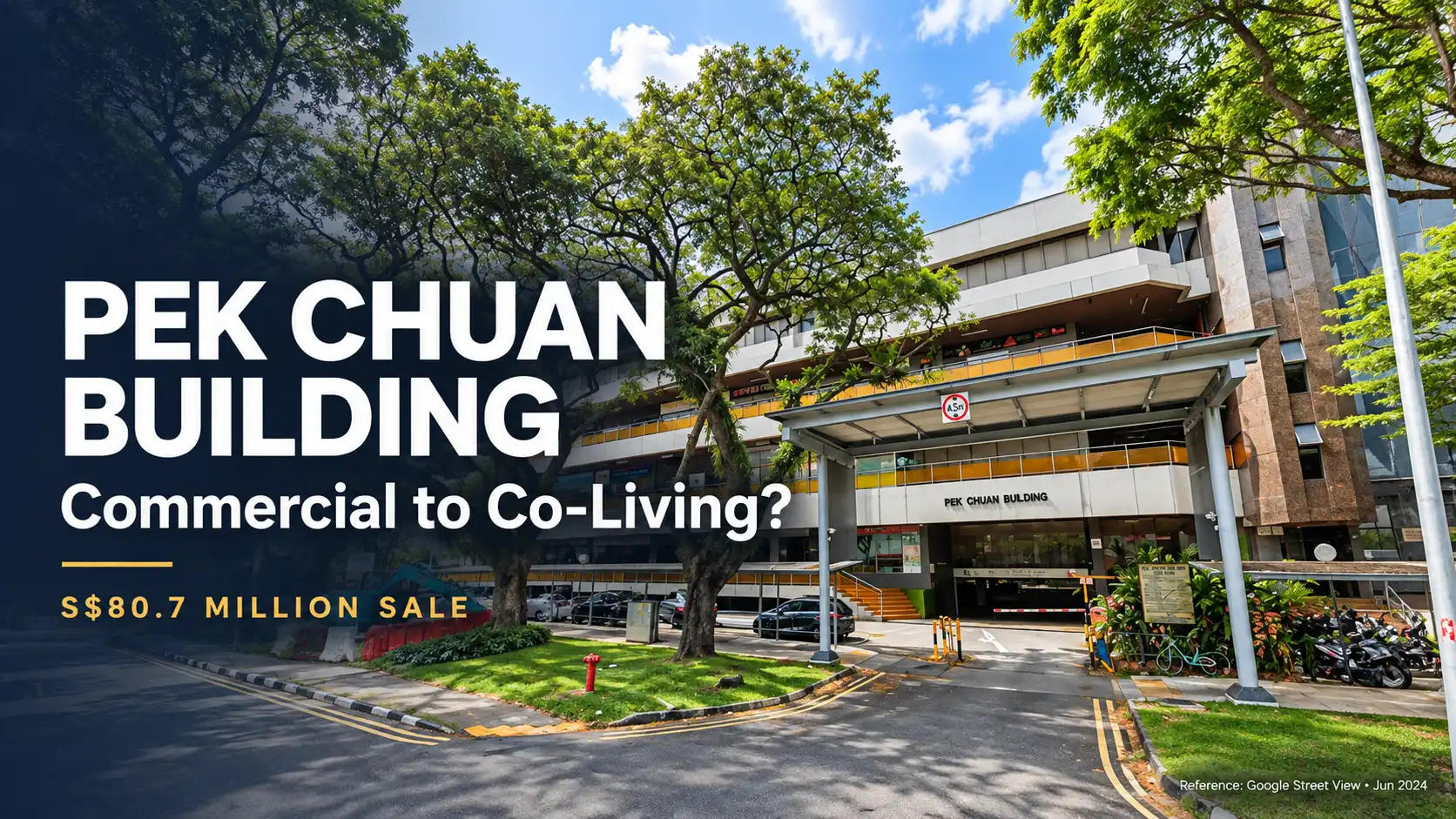
Homes and hotels are on the cards, with owners of office buildings being offered incentives by the Government to convert them for people to live and stay in.
On top of this, there are plans to build about 9,000 homes in the Marina South area next to Gardens by the Bay. Over time, more restaurants, shops and healthcare services could pop up to serve a bigger live-in population.
If these plans come to fruition, the CBD will not be a single-use district but a viable neighbourhood where people can work, live and play in. With time, it may become an attraction in its own right, drawing crowds at night as well as on weekends.
The challenge is to make it a dream for Singaporeans from all walks of life, not just the super-rich and foreign investor.
Another way the URA’s future-proofing theme is evident is the way the planning of green spaces has evolved from being a means to beautify the country in the 1960s, to protecting the country’s natural heritage and, in turn, making it part of the nation’s identity and international image.
The authorities will build more parks and extend park connectors. These will add another 1,000ha of green spaces, a 13 per cent increase from the current 7,800ha.
This will not only put most Singaporeans within a 10-minute walk from a park, which is one of the goals, but it will also be a deliberate attempt to protect the country’s natural heritage, with some parks, like those around the Bukit Timah and Central Catchment nature reserves, acting as green buffers to reduce stresses on nature reserves.
These plans may be prompted by nature groups, which in recent years have called for greater preservation of green spaces. The latest moves may still not be enough for them, but it is still important to strike a balance between reinventing the city and protecting the green lungs across the island.
Data analytics is also being harnessed to help government agencies decide where to locate new facilities or convert existing ones to new uses – a smart way to anticipate future needs with minimal disruption to the people.
For example, childcare centres in a middle-aged neighbourhood could be steadily turned into senior activity centres over the decades.
Taken together, these tools, plans and, more importantly, people will create a document that will map the way Singaporeans live in a desirable space. Urban planning is no longer just a job for economists and architects, but one that requires citizen participation to ensure a future-proof blueprint.
“Source:[URA’s Draft Master Plan: Conversations critical to shaping a future Singapore] © Singapore Press Holdings Limited. Permission required for reproduction”
Let’s Discuss Your Property Plans
Interested in This Property?
Buying, selling or renting? Get a free consultation with realtors with a background in interior and lighting design. We’ll discuss your goals and help you assess your options—from pricing and timelines to layout practicality and space potential.
Share your contact details below, and we will get in touch to understand your needs and suggest the next steps. No pressure. No obligation to proceed.