
Singapore’s public housing model is predicated upon leases ending, so land can be recycled. Policy must reflect that to ensure fairness for current owners and future generations.
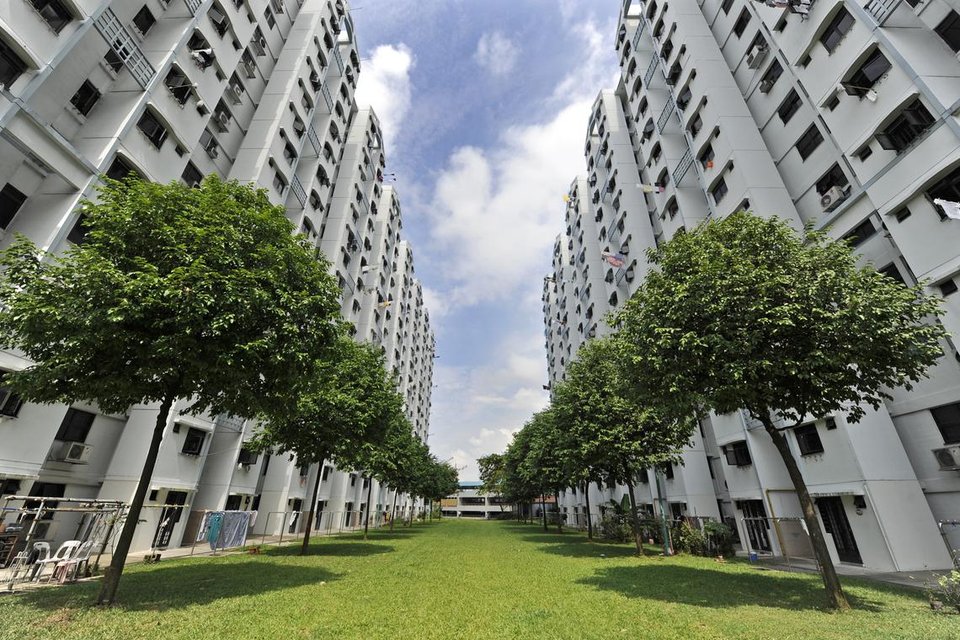
Within the next five years, Singaporeans will find out the specifics of the Voluntary Early Redevelopment Scheme (Vers), which facilitates the redevelopment of selected Housing Board precincts before their 99-year leases end.
This should include long-awaited details on how HDB flat owners will be compensated under Vers, and there is hope among some that the scheme – like the Selective En bloc Redevelopment Scheme (Sers) – will help them avoid facing the day that their leases end and the value of their flats becomes zero.
There is good reason for 99-year leases. When they end, land is returned to the state and can be recycled to meet the needs of future Singaporeans.
If the country takes seriously the needs of generations to come, flat leases running down to zero is a reality that Singaporeans have to face – even amid rising resale prices that increase the asset value of flats, the positioning of public flats as a “nest egg” for retirement and the longstanding narrative that upgrading programmes help flats with depleting leases to retain their value.
As engagements on Vers take place, it would be prudent for policymakers to better reflect the long-term realities of public housing in Singapore which have thus far been under-emphasised.
There is a need to be clear about the obligation to be fair to future generations and acknowledge the reality that flats will be returned to HDB at the end of their lease.
Seen from these perspectives, Vers compensation terms should reflect the objective of 99-year leases – to provide flats for future Singaporeans – as the scheme is not a fix for lease decay.
Vers isn’t Sers
Under Vers, flat owners in selected precincts that are aged about 70 and older will vote if they want their homes to be acquired by the Government for redevelopment, before their leases run out.
Besides how much owners will receive for the remainder of their leases, other aspects – such as how precincts are selected for Vers and the threshold of “yes” votes needed for a project to proceed – are being worked on.
Vers effectively replaces Sers – which involved compulsory acquisition and compensated owners based on the market value of their flat. There are no further plans for Sers projects.
Since 1995, 82 Sers projects were announced, including one still under way.
From one point of view, both schemes are primarily land recycling policies.
The Government used Sers to acquire underutilised public housing sites for redevelopment, while Vers – if accepted by residents – allows the Government to redevelop public housing land ahead of schedule, so that precincts in HDB towns can be rejuvenated in stages rather than all at once.
But seen from an HDB flat owner’s perspective, Sers has become conflated with, and even viewed as a solution to, lease decay – something that optimistic flat owners hope Vers will also be, given comparisons between the two schemes since it was announced in 2018.
This is because with the compensation received from Sers, HDB residents were able to purchase a new flat on a fresh 99-year lease at a replacement site before their existing leases expired, often at little to no extra cost.
The “guaranteed windfall” of Sers was so alluring that a number of HDB flats with short remaining leases changed hands for high prices in the resale market, possibly in anticipation of Sers benefits.
Concerned by this, then National Development Minister Lawrence Wong issued HDB flat owners a rare reality check in 2017, when he said that leases will run out for the vast majority of public flats and that these flats will be returned to the Housing Board, with flat prices falling accordingly as leases run down.
The “lease reality” was also spelt out by then Prime Minister Lee Hsien Loong at the 2018 National Day Rally, when he said HDB dwellers will need to pay for a new lease when their current leases run out.
“This is only fair, because you bought the original flat knowing when the lease would run out, and knowing that the flat would then have to be returned to HDB,” he said then.
Upcoming public engagements on the Vers framework should be framed in this perspective, so that Singaporeans will be realistic in their expectations of flat value as leases decay, with the oldest HDB leases approaching their two-thirds mark.
The Government has tempered the public’s expectations of Vers compensation terms, by saying that they will be less generous than Sers.
But it may be difficult for Singaporeans to accept that flats hold no value for leaseholders when their leases have depleted, as successive generations of leaders have emphasised the asset value of flats.
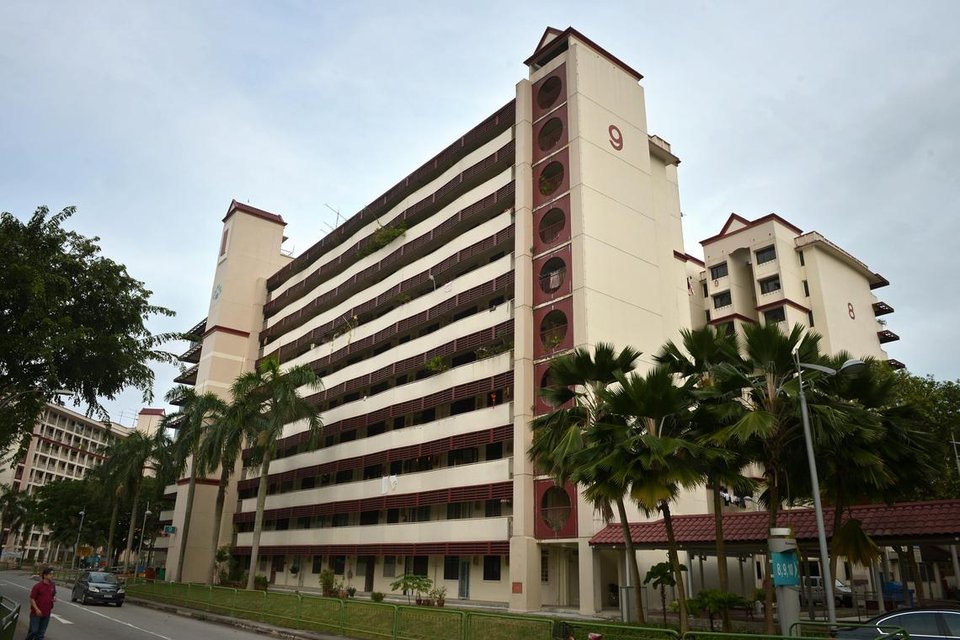
‘A nest egg’
In 1995, when the oldest flats would have been about 30 years old, then Prime Minister Goh Chok Tong said in a speech that HDB upgrading programmes were a way to share some of the country’s wealth with flat owners, by increasing the value of their flats.
At the 2018 rally, then PM Lee gave the example of a first-generation Ang Mo Kio resident whose four-room flat could possibly be worth $400,000 in the resale market, up from the $25,000 he purchased it from the Government for. The first HDB blocks in Ang Mo Kio were completed in 1975.
Most recently, Prime Minister Lawrence Wong said in an interview that in addition to being a home, an HDB flat can be a nest egg for retirement, as tail ends of leases can be monetised to supplement retirement savings.
A flat is certainly an asset for many years of its lifespan, especially for those who buy a new flat with a fresh 99-year lease.
But how big of a nest egg is a flat in the last decades of its lease?
When National Development Minister Chee Hong Tat laid out the timeline for the first Vers projects on Aug 5, he reiterated that flats will be returned to the state when their 99-year leases end, so that new homes can be built on the land they occupy for future generations.
From here on, the Government should signal clearly through the Vers compensation terms that leases expire and the value of flats depreciate – even if they were a profitable asset at some point in their lease.
Those who accept Vers compensation should not end up better off than either those who opt against it, or those who are not offered Vers and choose to see out their 99-year leases.
In balancing the outcomes and expectations of these groups, policymakers may find themselves in a fix as Vers compensation terms have to be sufficiently attractive if the Government is to achieve its goal of rejuvenating Singapore’s oldest housing towns over two to three decades.
Should Vers offers be rejected too frequently, there may be insufficient land to build new homes.
Faced with this conundrum, it may be tempting for policymakers to sweeten the Vers deal by positioning it as a solution to lease decay, and even offering lease extensions as part of the compensation package at low or no cost.
The reaction that this will stir up among those who are not offered Vers does not need to be spelt out.
More importantly, a lease top-up without appropriately priced fees perpetuates unrealistic expectations that some have of flat value and contradicts the basis for 99-year leases – to ensure there is land to meet future generations’ needs.
As the Vers framework is fine-tuned and the public is engaged on the scheme, policymakers and flat owners should get real with one of the foundations of Singapore’s public housing and land sales models – that leases last for 99 years and no more, so future Singaporeans can also have a home to call their own.
“Source:[With Vers, it’s time to get real with lease decay and the asset value of HDB flats] © Singapore Press Holdings Limited. Permission required for reproduction”

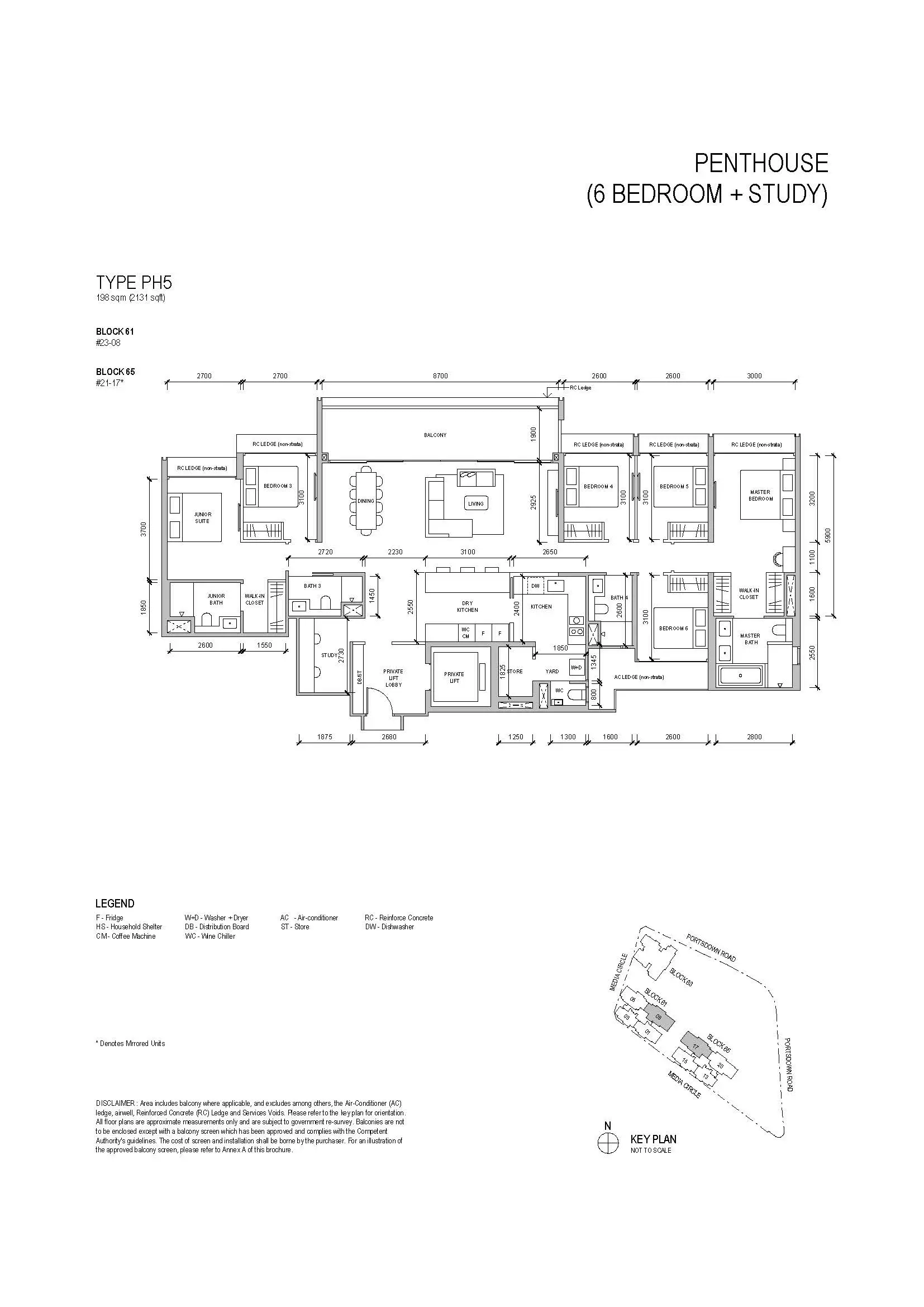

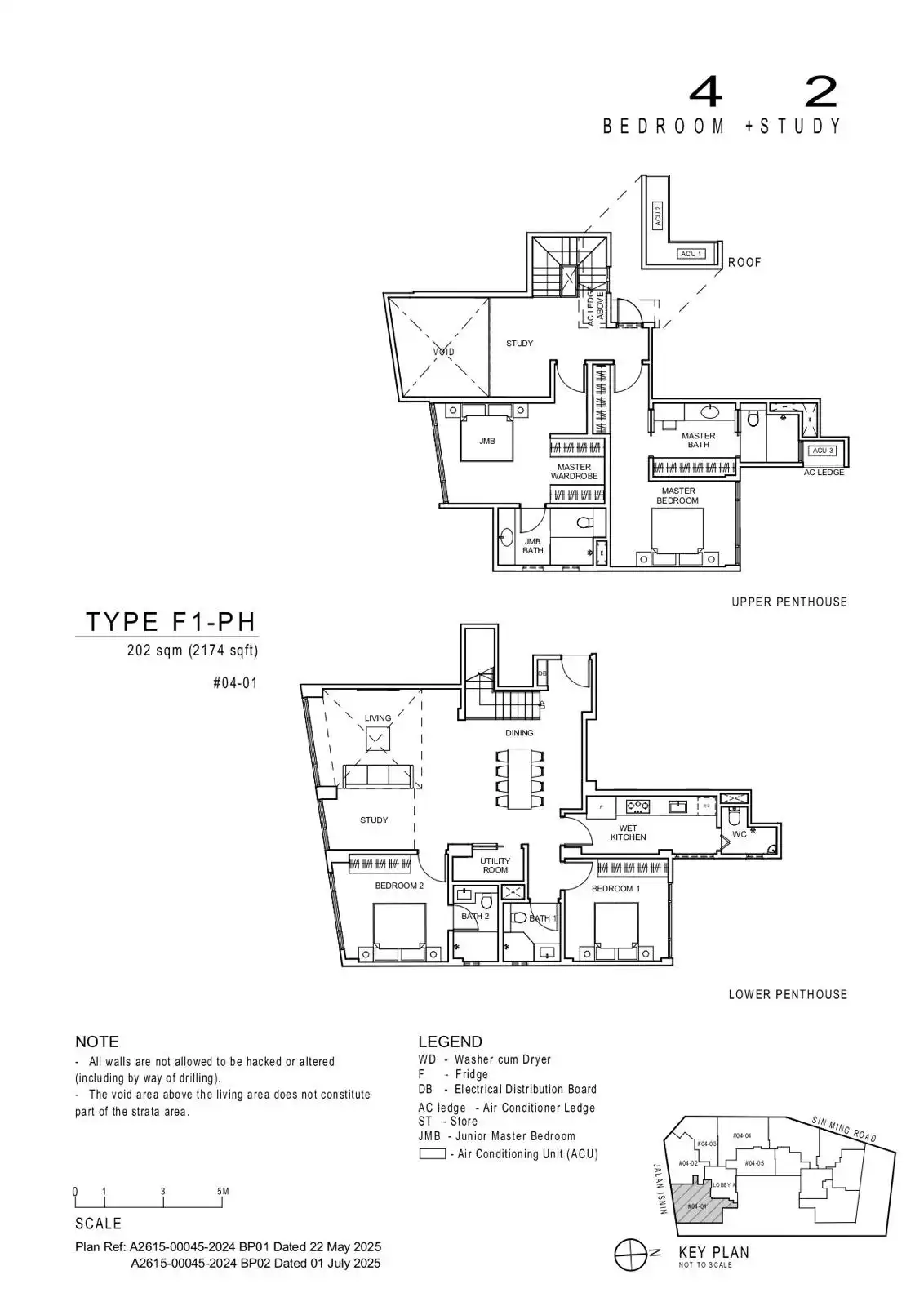
Let’s Discuss Your Property Plans
Interested in This Property?
Buying, selling or renting? Get a free consultation with realtors with a background in interior and lighting design. We’ll discuss your goals and help you assess your options—from pricing and timelines to layout practicality and space potential.
Share your contact details below, and we will get in touch to understand your needs and suggest the next steps. No pressure. No obligation to proceed.