
10-Year Investment Performance Review: Pollen & Bleu vs The Siena vs The Merasaga (2015–2025)
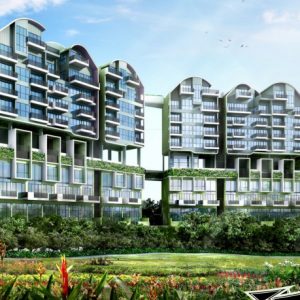
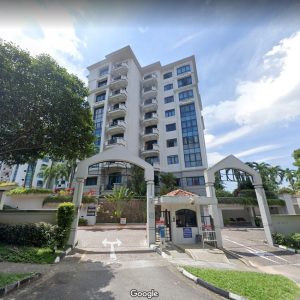
In the third part of our “Understanding New Launches” series, we turn our attention to Pollen & Bleu. This article takes a data-driven look at the 10-year resale and rental performance of three District 10 developments — Pollen & Bleu (99-year leasehold, launched 2015 near Farrer Road MRT), The Siena (a 54-unit leasehold project comprising mainly 1- and 2-bedroom units near Botanic Gardens MRT), and The Merasaga (a 116-unit leasehold development with 2- to 4-bedroom layouts near Holland Village MRT).
By comparing resale price movements, capital gains and losses by unit type, rental rate trends, and estimated rental yields from 2015 to 2025, we aim to uncover how these projects have performed over the past decade. The Siena and The Merasaga were chosen as benchmarks because they share similar leasehold tenure and development scale, offering meaningful context for evaluating Pollen & Bleu’s long-term investment performance.

Resale Price Movement (2015–2025)
Overall resale price trends (per square foot, PSF) diverged sharply between the boutique, newer condos (Pollen & Bleu, The Siena) and the older Merasaga over the last decade.


Here’s a summary:
Pollen & Bleu: Launched at around $1,900–$2,000 PSF in 2015, its prices stayed essentially flat through 2025. For example, the average 1-bedroom resale was about $1,936 PSF in 2015 vs $1,941 PSF in 2024, basically no gain in a decade. Resale values of 3-bedroom homes actually dipped slightly (~3% lower PSF by 2025 compared to 2017). In short, early buyers of Pollen & Bleu did not see significant capital appreciation in PSF terms.
The Siena: Also relatively flat/up, only a marginal increase. A typical 2-bedroom at The Siena was around $1,710 PSF in 2015 and about $1,805 PSF by 2025, a modest ~5% overall increase. Its 1-bedroom units moved from roughly $1,894 to $1,914 PSF (≈+1% overall). Essentially, Siena values stayed in the same ballpark; any price growth was minimal.
The Merasaga: Older but benefited from a low base and strong demand. Merasaga’s larger units saw significant PSF appreciation despite an ageing lease. For instance, 2-bedroom units jumped from about $1,425 PSF (2016) to $2,140 PSF by 2024 – roughly a +50% surge in resale values. 4-bedrooms rose from ~$1,411 PSF in 2015 to ~$1,929 PSF in 2023 (~+37% overall). Even three-bedroom units climbed from approximately $1,557 to $1,951 PSF (+25%). This older Holland Village project significantly outperformed the newer condos in terms of capital gains.
Why did Pollen & Bleu and The Siena barely budge in value, while The Merasaga soared? A few likely reasons:
Entry Price vs. Upside: Pollen & Bleu and The Siena were launched at high prices (near peak market conditions). Their initial buyers paid top dollar (>$1,800–$2,000 PSF for small units), leaving little room for further appreciation. In contrast, The Merasaga’s older lease and dated facade meant lower entry prices (~$1,300–$1,400 PSF in the mid-2010s), which allowed for more upside when market sentiment improved later.
Location & Demand: The Merasaga is situated next to the bustling Holland Village MRT and eateries – a perennial hotspot for both buyers and tenants. Strong demand and even en bloc speculation can drive up prices. Pollen & Bleu (Farrer Rd) and The Siena (Botanic Gardens) are also near MRTs, but in quieter locales with fewer retail/food amenities within walking distance, which may make them slightly less compelling for resale buyers, despite their prime district address.
Project Size/Amenities: Merasaga is a larger development (land size: 132,870 sqft) with full facilities and family-sized units (up to 4 bedrooms), appealing to a broad resale market. Pollen & Bleu (land size 67,468 sqft) and The Siena (land size 29,504 sqft) are boutique projects (106 units and 54 units, respectively) with mostly small units. Limited facilities or niche unit mixes can curb resale demand (families might not consider a project with mostly one-bedders, for example).
Capital Gains & Losses by Unit Type
Breaking down capital gains or losses by bedroom type gives more colour:
Pollen & Bleu 1 Bedroom Units:
Mixed. One example: a 1-bedroom (~700 sqft) unit bought for approximately $1.38M in 2015 sold for approximately $1.51M in 2023 – a profit of about $128k (annualised ~1.1%). However, other 1BR owners faced losses: we saw a 1BR that sold in 2024 for $1.17 million after being purchased for around $1.23 million, resulting in a loss of approximately $60k. Overall, most P&B one-bedroom owners barely broke even or lost money if they purchased at the launch price.


Pollen & Bleu 2 Bedroom Units:
Mixed. Many 2BR resale transactions hovered near their original purchase price. For instance, a 2-bedroom property purchased for $1.807M in 2017 sold for $1.9M in 2023, yielding only +$93k profit (~0.6% per year) over 6 years. Another 2BR unit bought in 2017 for approximately $1.64M sold for approximately $1.71M, netting about +$71k (+0.5%/yr). On the other hand, some 2BR sellers incurred small losses (ranging from -$20k to -$50k) when they sold during softer market periods. Ultimately, P&B 2BRs saw negligible capital gains, with profits only if you bought in a dip and sold after 2021’s market uptick.


Pollen & Bleu 3 Bedroom Units:
Mixed. The average PSF for 3-bedders actually declined slightly from 2017 to 2025. Example: a 3BR unit that changed hands for ~$2.20M in 2020 resold around 2025 for ~$2.30M – a minimal profit (~$100k) that translates to <1% annually. Another 3BR resale was essentially break-even (one owner made just ~$5k after holding 3 years, a 0.09% annualised gain, i.e. flat). Several 3BR owners who sold earlier (e.g., around 2020) incurred losses in the low-to-mid six-figure range. Overall, most Pollen & Bleu 3BR owners did not experience significant capital growth; selling too soon often resulted in a loss, while selling after the late-2021 market run-up might yield a modest gain at best.


Pollen & Bleu 4 Bedroom Units:
These large units were the worst performers. No 4-bedder resales at Pollen & Bleu recorded a significant profit – nearly all lost money. One 4BR (~1,432 sqft) purchased for around $2.92M ended up selling for roughly $2.7M, resulting in a -$224k loss after a few years. Another 4BR (1,432 sqft) was purchased at approximately $3.11M and sold at an even steeper loss (estimated loss of over $347k). With launch prices above $2,000 PSF for big units, P&B 4BR buyers found the resale market unwilling to match those premiums years later. Even as of 2024, Pollen & Bleu 4BR prices remained around $1,900+ PSF – essentially the same as launch, meaning initial buyers’ stamp duties and holding costs weren’t recouped. In summary, Pollen & Bleu’s larger units delivered the weakest investment outcomes (significant capital losses unless held very long-term).

The Siena 1 Bedroom Units:
The Siena’s compact 1-bedroom apartments, typically ranging from 538 to 600 sqft, have shown limited capital movement over the past decade. A notable example is a unit purchased for approximately $1.065 million in 2015, which was later resold for about $950,000 in 2020—reflecting a loss of around $115,000, or roughly –2.2% per year. Across the dataset, only a single 1-bedroom resale transaction was recorded, which resulted in a loss. Overall, The Siena’s 1-bedroom units have not demonstrated meaningful capital appreciation, and given the limited transaction volume, they are not directly comparable to Pollen & Bleu’s performance within the same segment.

The Siena 2 Bedroom Units:
Performance among The Siena’s 2-bedroom units was mixed, mainly depending on the timing of purchase. Early buyers in 2013–2014, who likely purchased from the developer at launch prices, suffered significant capital losses. For instance, a 904 sqft unit bought for $1.92 million in 2013 resold for $1.49 million in 2021, resulting in a loss of approximately $430,000, or around 3.2% per year. Another 797 sq ft unit, purchased for $1.84 million in 2013, changed hands for $1.39 million in 2019, representing a decline of $451,000 (approximately –4.4% annualised). However, buyers who entered after the initial launch period fared noticeably better. Between 2015 and 2016, 2-bedroom units transacted at lower entry prices—roughly $1.34 million to $1.65 million—and some of these owners achieved modest profits in the recent market upswing. For example, a 2-bedroom property purchased for $1.64 million in 2015 sold for $1.75 million in 2023, earning ~$110,000 in gains (~0.8% annualised). Another comparable unit generated a profit of around $100,000 (~0.7% per year).
In summary, The Siena’s 2-bedroom performance was highly sensitive to entry timing. Those who bought at the post-launch corrected prices and held for the long term achieved mild positive returns, while early buyers absorbed notable losses. Overall, capital appreciation was limited to modest, with annualised returns comparable to Pollen & Bleu over the same period.


The Merasaga 2 Bedroom Units:
Perhaps the most impressive. Many Merasaga 2-bedroom units, although larger in size (~900 sqft or more), saw their values rise substantially. From prices of around $1.2M–$1.3M in the mid-2010s, some were fetching over $ 2 M by the mid-2020s. As noted, the average 2BR PSF increased by a massive ~50%. This means that an owner who bought a Merasaga 2BR around 2015 could easily be looking at hundreds of thousands of dollars in profit by 2023. (For instance, a hypothetical 1000 sqft 2BR might have cost ~$1.35M in 2015 and could sell for ~$2.05M in 2024, for roughly a +$700k gain, thanks to that PSF increase.) Actual resale data show a profit across the board for Merasaga 2BR sellers in recent years – essentially, all these owners benefited from the upswing if they held for five years or more.
The Merasaga 3 Bedroom Units:
The Merasaga’s 3-bedroom apartments, averaging around 1,300 sqft, have shown strong price appreciation over the past decade. In 2017, these units typically traded at around $2.2 million, but by 2025, resale prices had risen to roughly $2.75 million or higher—a gain of approximately $500,000, with PSF values increasing by around 25%.What’s notable is that while Merasaga’s 3-bedroom prices climbed steadily, Pollen & Bleu’s 3-bedroom values declined, effectively narrowing the gap between the two developments. By 2025, a Merasaga 3BR unit (~1,400 sqft) transacting at $1,950 PSF would cost about $2.7 million, not far from a newer Pollen & Bleu 3BR (~1,200 sqft) at $2,016 PSF (≈$2.4 million). This convergence shows how the older leasehold development has “caught up” in pricing despite its age, underscoring the strength of location and unit size in sustaining long-term value.
(Note: 2017 was used as the base year for comparison since there were no 3-bedroom transactions recorded at Pollen & Bleu in 2015.)
The Merasaga 4 Bedroom Units:
Clear winners in capital gains. Large family-sized units (~1,700 sqft) at The Merasaga saw their PSF increase by approximately 36% over the decade. In absolute terms, some 4BR units that might have sold for ~$2.4M in 2015 were changing hands for around $3.2M by 2023. That’s nearly +$800k in profit for a long-term owner – remarkable considering the lease is ticking down. Every observed 4BR resale at Merasaga in recent years has been profitable, often significantly so. Meanwhile, as noted, Pollen & Bleu 4BR owners mostly lost money. It’s a dramatic illustration of how an older, initially cheaper asset can outperform a new launch in terms of capital growth.
Between 2015 and 2025, the newer developments — Pollen & Bleu and The Siena — experienced little to no capital appreciation across all unit types. Profits, where they occurred, were modest and typically required long holding periods, while many owners who bought at launch or sold too early incurred losses.
In contrast, The Merasaga’s owners enjoyed substantial capital gains across the 2-, 3-, and 4-bedroom segments, despite the project’s advancing age. This outcome highlights the importance of entry timing and purchase price: buyers who entered during softer market conditions and held through the subsequent upcycle reaped notable rewards, whereas those who paid peak prices ultimately ended up underwater.
Another critical driver behind The Merasaga’s price appreciation was the launch of One Holland Village Residences in 2019, where average prices reached around $2,681 psf and climbed to $3,781 psf in 2025. The premium positioning and strong demand of that project likely lifted nearby resale values, contributing to The Merasaga’s renewed capital strength within the Holland Village micro-market.

Rental Market Trends (2017–2025)
Rental demand in Singapore has been robust, particularly since 2017, and surged during 2021–2023. Let’s see how rents moved for the three condos’ various unit types. We’ll use rent per square foot (PSF) per month as a metric to compare, since it normalises for size differences. Below, we have charts showing the yearly average rent PSF from 2017 to 2025 for 1BR, 2BR, 3BR, and 4BR units in Pollen & Bleu, The Siena, and The Merasaga.
1-Bedroom Rental Trends

For 1-bedroom apartments, both Pollen & Bleu and The Siena experienced strong rental growth over the decade. Key points:
In 2017, Pollen & Bleu 1BR units were renting for around $4.66 PSF (roughly $3.2k/month for ~700 sqft), while The Siena’s 1BRs achieved about $4.92 PSF (perhaps $2.7k/month for ~550 sqft). Siena’s slightly higher PSF could be due to its smaller unit size (smaller units often command higher PSF rent) and its prime Bukit Timah locale near educational institutions.
Rents remain steady through the late 2010s, then surged in 2021–2022 during the pandemic rental boom. By 2025, the average rent for Pollen & Bleu’s 1BR units hit around $5.76 PSF, and The Siena’s units were priced at over $6.09 PSF. This equates to roughly $3500/month for a 600 sqft P&B 1BR, and about $3350/month for a 550 sqft Siena 1BR.
In percentage terms, that’s roughly a +24% increase in rent. (P&B 1BR went from ~$4.66 to ~$5.76, ~+24%; Siena from ~$4.9 to ~$6.0, ~+24%.) Most of that jump occurred during the 2021–2023 period, when expatriate demand and local household formation spiked, driving up rents islandwide.|
Notably, The Siena’s tiny units achieved slightly higher absolute PSF rents than Pollen & Bleu’s by 2025 (~$6.09 vs $5.76). This might reflect the fact that Siena’s 1BRs are smaller (thus higher psf rent) and perhaps the proximity to educational/medical hubs (it’s near Botanic Gardens, schools), attracting singles willing to pay a premium. P&B’s 1BRs are a bit larger, and the Farrer area is mainly residential.
Bottom line: Both projects’ 1BR units became much more lucrative to rent out over the decade. For investors, the rental income on these grew significantly, helping to offset the lack of capital gains. By 2025, a P&B 1BR owner is earning ~24% more rent than in 2017. Siena 1BR owners saw similar jumps.
(The Merasaga has no 1BR units, so it’s excluded from this category.)
2-Bedroom Rental Trends

The 2-bedroom rental story is one of steady growth with an extra boost for the older condo:
All three projects started around the mid-$4 PSF range in 2017. Pollen & Bleu averaged about $4.52 PSF, The Siena $4.44 PSF, and The Merasaga roughly $4.36 PSF in 2017. In absolute terms, a typical 2BR at Merasaga (~1000 sqft) rented for ~$4.4k/month, a Siena 2BR (~800 sqft) about $3.5k/month, and a P&B 2BR (~900 sqft) around $4k/month.
By 2025, rental rates for 2-bedroom units at Pollen & Bleu and The Siena had both climbed to around $5.00 psf. This translates to roughly $4,800 per month for a 900 sqft unit at Pollen & Bleu — though the average was slightly skewed downward by a larger 2-bedroom unit (~2,000 sqft) rented at $8,500 — and about $4,000 per month for an 800 sqft unit at The Siena. Overall, this represents a moderate rental increase of approximately 11–13% compared to 2017 levels. While it marks a steady improvement, the growth was less pronounced compared to the sharper gains seen in 1-bedroom units.
The Merasaga’s 2BR rents climbed higher, reaching around $5.50 PSF by 2025. That’s roughly $5.5k/month for a 1000 sqft unit – a sizeable rent for an older property. This ~26% jump from $4.36 to $5.50 PSF outpaced the newer condos.
Why did Merasaga 2BR rentals outpace in growth? Possibly because, as newer condos were launched in the area with smaller 1-2BR units, some tenants (especially couples or small families) found better value in renting a larger, older 2BR unit at Merasaga. Holland Village’s continued popularity and limited new supply of comparable large units could drive up rents. Additionally, Merasaga’s units being bigger means absolute rent is high, but PSF was still lower, giving it room to rise as overall rental demand rose across the board.
Volumes: The Merasaga consistently had a high number of rental transactions (being a larger estate), indicating healthy tenant demand. P&B and Siena, with fewer units, had fewer rentals but still a decent churn each year. By 2025, rental volumes eased slightly (fewer listings as some owners sold or fewer tenants moved due to high rents).
Summary: 2BR rents increased in all projects (~10–25% over 8 years). Merasaga saw the most significant % and $ rent growth, reaching the highest 2BR rent PSF by 2025 (~$5.50). Pollen & Bleu and Siena 2BR rents rose to around $5.00, a solid gain but relatively modest next to Merasaga’s jump. Investors in 2BR units at all three condos would have enjoyed growing rental income, with Merasaga landlords seeing the most significant uptick.
3-Bedroom Rental Trends

3-bedroom units are typically rented by families or larger households, and rent trends reflect strong demand for space:
In 2017, Pollen & Bleu’s 3BR units commanded about $4.35 PSF, while The Merasaga’s larger 3BRs were around $3.78 PSF. In absolute terms, a P&B 3BR (~1100 sqft) rented for ~$4.8k/month, versus a Merasaga 3BR (~1300 sqft) at ~$4.9k/month (lower psf due to bigger size but similar total rent).
Both projects’ rents rose significantly by 2025. Pollen & Bleu 3BR hit around $5.62 PSF, and Merasaga 3BR around $5.31 PSF. That’s roughly $6.2k/month for a P&B 3-bed, and $6.9k/month for a larger Merasaga 3-bed.
Percentage-wise, P&B’s 3BR rent jumped ~29% (from $4.35 to $5.62), and Merasaga’s leapt ~40% (from $3.78 to $5.31). The Merasaga’s lower starting point meant a bigger percentage climb. By 2025, interestingly, Pollen & Bleu’s 3BR edged out Merasaga’s in PSF ($5.62 vs $5.31), but because Merasaga’s units are larger, the actual monthly rent for a Merasaga 3BR is often higher.
The narrowing gap: In 2017, P&B 3BRs rented for ~15% higher PSF than Merasaga’s. By 2025, the premium had shrunk as Merasaga caught up. This mirrors the resale trend: older, spacious units have become highly valued in the rental market, not far off from new condos in terms of PSF.
Tenant profile: Likely, Merasaga’s 3BR appealed to families who wanted to be near Holland Village amenities and were willing to accept an older interior in exchange for space. Pollen & Bleu’s 3BR, being newer, might attract tenants looking for a modern fit-out at a slightly higher cost. Both seem to have found their niche.
For investors, both P&B and Merasaga 3BR owners saw great rental growth. The Merasaga owner might have had a lower rent in 2017, but by 2025, they are getting almost the exact psf as the new condo – a big win, considering they paid much less for the property.
(The Siena has no 3BR units, so it’s not included here.)
4-Bedroom Rental Trends

The 4-bedroom category shows an interesting flip: Pollen & Bleu’s rent surged more in percentage terms, despite its resale woes, whereas Merasaga’s rent growth was steadier:
Back in 2017, The Merasaga’s 4-bedroom units were achieving rental rates of around $4.00+ psf (approximately $6,800 per month for units of about 1,700 sqft). In comparison, Pollen & Bleu’s 4-bedroom units were renting at around $3.54 psf (roughly $5,000 per month for about 1,400 sqft). At first glance, this appears counterintuitive — the older Merasaga commanded a higher rent per square foot than the newer Pollen & Bleu. One possible explanation is that Pollen & Bleu’s rental average was skewed by a larger 4-bedroom penthouse (~2,700 sqft) rented at $8,500 per month, which lowered the overall PSF rental figure. In reality, typical 4-bedroom units at Pollen & Bleu were renting around $4 psf, roughly comparable to Merasaga’s rates. Meanwhile, The Merasaga’s established reputation and prime Holland Village location allowed it to maintain strong rental demand and command competitive rates even in 2017.

Fast forward to 2025: Pollen & Bleu 4BR rents shot up to about $5.47 PSF, while Merasaga 4BRs increased to around $4.86 PSF. In absolute terms, a P&B 4BR (~1,432 sqft) that rented for approximately $5k in 2017 could be fetching around $ 7,800/month by 2025. A Merasaga 4BR (~1,700 sqft) that was ~$6.5k is now about $8.2k/month.
When accounting for the skewed 2017 data, where Pollen & Bleu’s rental PSF was depressed by an oversized penthouse unit that lowered the average, the actual rental growth remains notable but less extreme. From a more normalised baseline of around $4.00 psf in 2017, Pollen & Bleu’s 4-bedroom rents rose to approximately $5.47 psf by 2025, reflecting an actual increase of about +37% rather than the raw +54%. In contrast, The Merasaga’s 4-bedroom units saw a steadier climb of roughly +21%, moving from around $4.50 psf to $5.50 psf over the same period. This suggests that while Pollen & Bleu’s apparent jump was amplified by initial underpricing, its rental momentum eventually surpassed Merasaga’s, supported by improving demand and rising confidence in the Farrer Road market. By 2025, Pollen & Bleu’s larger units were achieving higher PSF rents than The Merasaga’s, with comparable monthly rentals despite smaller floor areas — a clear sign of tightening rental efficiency and stronger tenant appeal over time.
However, remember the owners’ perspective: The Pollen & Bleu 4BR owners needed this rent growth because their capital values stagnated. In 2017, their yield was very low (~2% gross). By 2025, the higher rent improves their yield (more on yields next), but they still suffer a capital loss if they sell. Merasaga 4BR owners enjoyed both decent rent and significant capital appreciation, albeit the rent PSF didn’t spike as much.
In essence, rental demand for large units in D10 remained strong, and even brand-new, big units eventually found tenants willing to pay a premium. Pollen & Bleu’s 4BR unit went from being a hard-to-rent unit (initially) to commanding over $7k/month as more expatriate families sought luxury rentals. The Merasaga’s 4BR, consistently popular, also increased to around $8k but at a more gradual pace.
Rental Yields and Investment Returns
While resale prices for Pollen & Bleu and The Siena remained flat or only slightly higher over the decade, rental rates increased, leading to an improvement in rental yields for long-term owners. In contrast, The Merasaga achieved both capital appreciation and rental growth, delivering more substantial overall returns.
To better illustrate the difference in performance, let’s quantify the gross rental yields — calculated as annual rent divided by the original purchase price — using the entry prices from 2015 as the baseline:
Pollen & Bleu 1-Bedroom Units:
With an average launch price of around $1.2 million for a 600 sqft unit and an average rent of approximately $3,500 per month in recent years, owners are generating about $42,000 in annual rental income — translating to a gross yield of roughly 3.5% per year.
This yield is in line with the prevailing market average for newer condominiums in District 10, which may help explain the lack of significant price appreciation despite healthy rental demand.
The Siena 1-Bedroom Units:
Back in 2015, The Siena’s 1-bedroom units averaged around $1.0 million. With an average rent of about $3,400 per month (or roughly $41,000 per year), this translates to a gross rental yield of approximately 4.1%.
Thanks to its lower entry price relative to rental income, The Siena offered a slightly more attractive yield than Pollen & Bleu. For instance, an investor who acquired a resale 1-bedroom unit at $1 million could expect a gross return of around 4.1% per annum — a respectable figure, especially within the low-interest-rate environment of the past decade.
However, despite the stronger yield, The Siena’s proximity to the busy Farrer Road may have tempered its resale performance, contributing to its limited capital appreciation over the years.
Pollen & Bleu 2-Bedroom Units:
The average entry price for Pollen & Bleu’s 2-bedroom units is approximately $1.6 million (for approximately 870–900 sqft), with current rents averaging around $4,800 per month, or roughly $58,000 per year. This equates to a gross rental yield of around 3.6%.
It has a moderate yield, having improved from roughly 2.5% at launch, thanks to steady rental growth over the years. However, this balanced yield—neither exceptionally high nor low—may also explain the relative price stagnation, as investors were sufficiently compensated through rental income rather than capital gains.
The Siena 2-Bedroom Units:
Back in 2015, prices for The Siena’s 2-bedroom units ranged from approximately $1.4 million to $1.6 million, depending on size (753–980 sqft). With current monthly rents ranging from $4,000 to $4,500, this translates to a gross rental yield of approximately 3.0% to 4.0%.
Investors who entered at the lower end of the price spectrum — around $1.3 million during softer market conditions — would have achieved yields approaching 4%, while those who purchased at $1.7 million to $1.9 million experienced negative overall returns. This contrast highlights how entry timing and purchase price were critical determinants of both rental performance and long-term capital outcomes.
The Merasaga 2-Bedroom Units:
Back in 2015, The Merasaga’s 2-bedroom units were priced at an average of around $1.35 million. With current rents ranging between $5,000 and $6,000 per month (approximately $60,000 per year), this equates to a gross rental yield of about 4.4% to 5.3%.
This strong rental performance has underpinned steady capital appreciation, with current resale prices rising to around $2.0 million, yielding about 3.6% today. The presence of One Holland Village Residences, where rents now average close to $8 psf, has likely elevated rental benchmarks in the Holland Village area, further enhancing The Merasaga’s attractiveness and long-term value resilience.
Pollen & Bleu 3-Bedroom Units:
At launch in 2015, Pollen & Bleu’s 3-bedroom units averaged around $2.6 million for 1,100–1,200 sqft layouts. With current rents of approximately $6,000 per month (about $72,000 per year), the gross yield today stands at roughly 2.7%.
However, with recent resale prices easing to around $2.3 million, the yield has improved to about 3.0%, reflecting a normalisation of values as the market adjusts to align prices more closely with achievable rental returns.
The Merasaga 3-Bedroom Units:
In 2015, The Merasaga’s 3-bedroom units were priced at around $2.0 million. With current rents averaging about $7,000 per month (approximately $84,000 per year), this translates to a gross yield of roughly 4.2% based on entry prices.
At today’s resale values of around $2.7 million, the yield moderates to approximately 3.1%, reflecting the strong rental growth that has supported capital appreciation while maintaining healthy overall returns for long-term owners.
Pollen & Bleu 4-Bedroom Units:
At launch in 2015, Pollen & Bleu’s 4-bedroom units were priced at around $3.0 million. With current rents averaging about $7,800 per month (approximately $93,600 per year), this equates to a gross yield of roughly 3.1%.
For owners who purchased their units for around $3.0 million and initially rented them for only $5,000 per month — a modest 2% yield — the improvement of about 1.2 percentage points over time is welcome but still relatively low by market standards. This limited rental return helps explain the stagnant price performance of larger units at Pollen & Bleu.
The Merasaga 4-Bedroom Units:
In 2015, The Merasaga’s 4-bedroom units were priced at around $2.4 million. With current rents averaging approximately $8,200 per month (about $98,000 per year), this translates to a gross yield of roughly 4.1% based on entry prices.
At today’s resale values of around $3.28 million, the yield moderates to about 3.0%, reflecting how strong rental growth has supported capital appreciation while keeping returns aligned with broader market yields.
The decade-long comparison between Pollen & Bleu, The Siena, and The Merasaga underscores the fundamental importance of rental yield and entry price in driving long-term investment performance. While newer projects such as Pollen & Bleu and The Siena saw only marginal resale gains, their rising rents gradually improved yields, cushioning owners against stagnating prices. In contrast, The Merasaga—despite being older—delivered both capital appreciation and healthy rental growth, thanks to its lower entry prices and the uplift in rental benchmarks driven by nearby developments like One Holland Village Residences. Ultimately, this analysis reveals that investors who purchase at the optimal entry point in projects with sustainable rental demand tend to achieve more substantial total returns, even when capital appreciation alone appears limited.
Now, let’s distil the key insights and takeaways from this 10-year comparison.
Key Takeaways
Older Condo Outperformed in Capital Appreciation
When it comes to resale price growth, The Merasaga clearly outperformed its newer counterparts. Over the decade, its 2-bedroom units appreciated by around 50%, 4-bedroom units by about 37%, and 3-bedroom units by roughly 25%, delivering substantial capital gains for long-term owners.
In contrast, Pollen & Bleu and The Siena registered little to no price appreciation, with 2025 resale values hovering close to their 2015 levels. This divergence highlights an important investment lesson — new launches priced well above their rental fundamentals often remain stagnant, while older developments purchased at fair valuations can ride market cycles, achieving steady gains and even offsetting lease decay effects over time.
Profitable Investments = Buy Low, Hold Long:
The most profitable cases across these projects were those who bought during a market lull or at a discounted price and held onto their positions through the recent upswing. Example: Siena buyers in 2015 (after initial hype cooled) who sold in 2023 made small gains, and Merasaga owners who bought in the mid-2010s made significant gains by 2023. The worst outcomes befell those who bought at peak prices (e.g., Siena 2013 launch buyers, Pollen & Bleu at high PSF) – they suffered losses even after many years. Time in the market helped, but entry price mattered even more. Simply put, paying too high a price initially is very hard to overcome.
Unit Size & Demand Dynamics:
Smaller units, 1-2 bedroom units, are typically easier to rent out (wider tenant pool), which keeps their rents rising and yields around 3%+. But capital gains for small units were negligible here because their launch prices were already high. Larger units (3-4BR) in new projects can be challenging – Pollen & Bleu’s large units had a low initial rental yield and limited buyer demand on resale, resulting in poor returns. In contrast, larger units in older developments, such as Merasaga, benefited from being comparatively affordable family-sized options in a prime area, hence seeing both resale and rental demand increase. Families who can’t afford new 4BR condos flocked to older 4BRs, driving up those prices. So, large units can outperform if bought at a low price point and in a location with strong family appeal (schools, amenities).
Location, Location, (Future) Location:
All three condos are in District 10, but micro-location mattered. Holland Village (The Merasaga) had a perfect combo: MRT + lifestyle hub + future development (the extension of Holland Village). This buzz sustained both resale and rental demand. Farrer Road (Pollen & Bleu), although near an MRT and the Botanic Gardens, is more residential with less walkable amenity vibrancy – it hasn’t ignited secondary market excitement, and tenants have other new choices available. Botanic Gardens (The Siena) is prestigious, but the project’s small size and mainly 1-2BR mix limited its market appeal (mostly investor-landlords and expatriate tenants; not many own-stay buyers). In short, a fantastic location can lift even an older property’s fortunes, whereas a so-so location can mute a new condo’s growth.
Lease Tenure and Age:
Interestingly, The Merasaga’s advancing age (built around 1985) didn’t stop price growth over the last 10 years. This suggests that in a bull market, especially when new launches are very pricey, buyers will still pay more for older leasehold units if they see relative value or unique attributes (like size/locale). However, as these units age further (now ~40 years old, with ~59 years remaining on the lease), lease decay may become more apparent in valuations moving forward. Newer condos, such as Pollen & Bleu (completed around 2016) and The Siena (completed around 2016), still have long remaining leases, but this hasn’t translated to gains – proving that lease length alone doesn’t guarantee appreciation; entry price and market supply/demand do.|
Amenities and Facilities:
Investors should note the effect of project amenities and profile. The Merasaga, being larger, likely benefited from more facilities (pool, tennis, gardens), which attract both buyers and renters. Pollen & Bleu and The Siena are boutique and may not offer the same lifestyle facilities or expansive grounds – that’s fine for some renters. Still, families or upgraders often prefer more facilities and space (features older estates often have). This likely influenced the resale desirability and thus capital performance.
Rental Income Cushioned Poor Capital Growth:
For those who bought Pollen & Bleu or The Siena, the silver lining is that rents rose enough to cushion their returns somewhat. Even though resale prices were flat, the significantly higher rents by 2023 mean they’re getting a better yield on the original cost. For example, a P&B owner who was renting out a 2-bedroom for $4,000 in 2017 might now get $5k, so the extra $12,000 a year in cash flow over time does mitigate the pain of zero capital gain. It’s not as exciting as a big flip profit, but at least they weren’t losing on all fronts. The key for investors is to recognise that rental yield is an integral part of total return, especially if capital upside disappoints. High rents kept these investments from being outright failures.
Comparative Overall Performance:
Taking both resale and rental into account, The Merasaga delivered the strongest overall investment performance. Owners enjoyed substantial capital appreciation and solid rental yields of around 3-4%. The Siena and Pollen & Bleu were far more muted – essentially income plays (3% yields) with little capital growth (some owners even lost capital). If one had to rank: Merasaga wins by a mile, Pollen & Bleu probably comes in second only because at least it didn’t plunge in value and did get decent rents, and The Siena a close third (some Siena owners lost capital, though others did okay; yields were fine).
Market Cycles Matter:
It’s worth noting that the period in question (2015–2025) included the impacts of cooling measures in the mid-2010s, a rising market from 2017 to 2018, a dip around 2019, and then a surge from 2021 onwards. Projects like Pollen & Bleu and The Siena essentially spent the first 5+ years just regaining their launch pricing by the time the boom came. The Merasaga, which had started from a low in 2015, rode the wave up. The takeaway: know where the property is in the price cycle when you buy. If you buy at a peak (even a micro-peak, such as a launch in a slow market), you may have to wait many years to see any gain. If you buy in a trough (older units in a soft market), you stand to ride the upswing on multiple fronts.
Conclusion: How Did Pollen & Bleu Really Perform?
Looking back at 2015–2025, Pollen & Bleu ultimately behaved more like an income asset than a capital growth story. Across almost all unit types, resale prices in 2025 remained close to launch levels, with many early buyers—especially those who entered at the peak PSF for larger 3- and 4-bedroom units—reporting flat or negative capital gains. The main bright spot came from the rental market: as islandwide rents surged after 2017, Pollen & Bleu’s units saw their gross yields improve into the ~3–3.6% range, cushioning returns for landlords even as resale values stagnated.
In other words, investors at Pollen & Bleu were paid through cash flow rather than price upside. Those who bought one- and two-bedders at sensible entry prices and held through the post-2021 rental boom have done reasonably well from a yield perspective, even if their paper gains remain modest. By contrast, buyers of larger units who paid high launch prices faced the double challenge of muted resale demand and initially low yields, and needed many years of rental growth just to offset their capital drag partially.
Overall, Pollen & Bleu’s decade-long performance underscores a key lesson: a premium launch price in a quiet micro-location leaves little room for capital appreciation, even in a rising market. For future investors, the project serves as a reminder that in District 10, as elsewhere, rental fundamentals, entry price, and unit type selection matter far more than “newness” alone in determining long-term returns.
Article contributed by Jerry Wong.

Jerry Wong is a realtor at Propnex Realty, bringing a rich background in interior and lighting design to his work. He loves exploring diverse spaces and observing the transformative power of real estate. Beyond his professional role, Jerry finds his greatest fulfillment in connecting people with the right properties, gaining immense satisfaction from helping clients achieve their dreams.
Properties Highlighted In This Article



Let’s Discuss Your Property Plans
Interested in This Property?
Buying, selling or renting? Get a free consultation with realtors with a background in interior and lighting design. We’ll discuss your goals and help you assess your options—from pricing and timelines to layout practicality and space potential.
Share your contact details below, and we will get in touch to understand your needs and suggest the next steps. No pressure. No obligation to proceed.